Douglas County Is Asking the State Supreme Court to Overturn Its Open-Meetings Defeat
An appeals court found the commissioners held 11 secret meetings while pushing a home-rule power grab voters later rejected 71 percent. Now the county wants the Colorado Supreme Court to say it did nothing wrong.
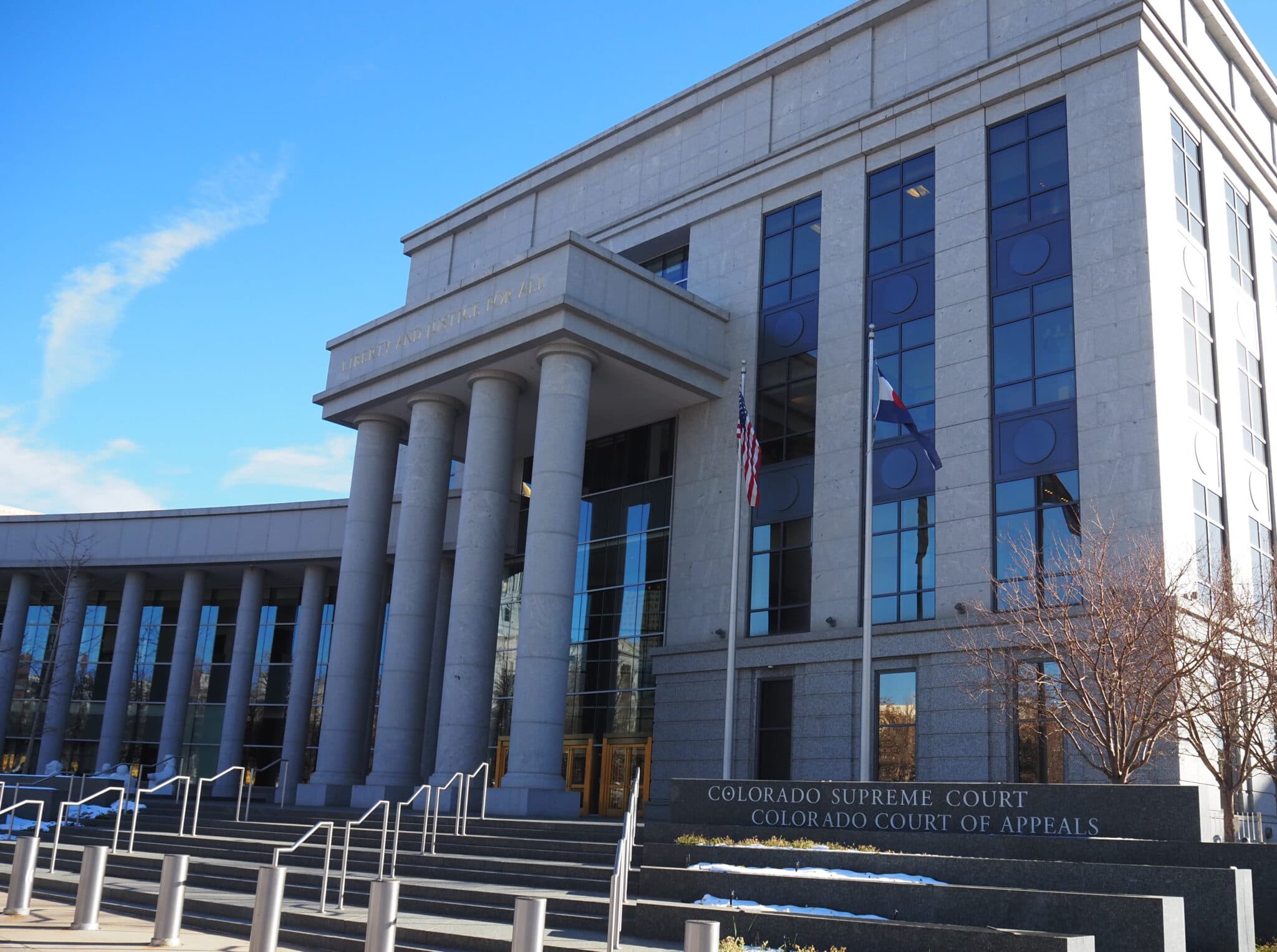
Photo via web search
Douglas County is not letting this one go. This week the county petitioned the Colorado Supreme Court to overturn an April ruling that found its commissioners broke the state's Open Meetings Law, asking the justices to throw out a decision the county calls a misreading of a 54-year-old statute. It is the latest move in a fight that has already run through the trial court and the Court of Appeals.
Here is how we got here. A 2025 lawsuit accused the three commissioners of holding eleven closed, unannounced meetings between December 2024 and April 2025, plus three executive sessions, much of it tied to their push for a home-rule charter that would have let them expand and reshape county government. The plaintiffs said those gatherings either skipped the required public notice or failed to clear the strict legal bar for going behind closed doors. On April 2, a three-judge appeals panel agreed and sent the case back to trial court to sort out whether the board kept doing it.
The optics are rough, and worth stating plainly. A county government meets in private to plan a major expansion of its own power, the public gets wind of it, and then voters reject that home-rule plan at the ballot box by a landslide, 71 percent against. Now that same county is spending public money to convince the state's highest court that the closed meetings were fine all along. For a board that runs on a brand of limited, accountable government, "trust us, we should be allowed to meet without telling you" is a hard sell.
To be fair to the county's side, its legal argument is not frivolous. Douglas County contends the appeals court stretched the Open Meetings Law in a way that is out of step with how the statute has been read for half a century, and that taken literally, the ruling could turn routine conversations among elected officials into violations. That is a real question, and it is exactly the kind of thing a Supreme Court exists to settle. Local governments across Colorado will be watching, because whatever the justices decide sets the rules for all of them.
But there is a difference between "the law is unclear" and "we did nothing wrong," and the county's framing leans hard on the second. The Colorado Freedom of Information Coalition, which advocates for open government, has been blunt that the appellate ruling was a win for the public's right to know what its officials are doing behind closed doors.
What happens next is not guaranteed. The Supreme Court does not have to take the case; it can decline, which would leave the appeals court's finding in place and send everyone back to trial court. If it does take it, this becomes a statewide test of how much room Colorado's elected boards have to talk among themselves with the public shut out. Either way, it is worth remembering how this started: with a plan to grow county government that the people who live here looked at and, firmly, voted down.
Related: the same commissioners are on Tuesday's ballot — see our Douglas County 2026 ballot guide and the live primary results.
Sources
- Commissioners challenge Open Meetings decision to Supreme Court — Douglas County
- Douglas County seeks Supreme Court review in open meeting case — Colorado Politics
- Appeals Court rules Douglas County violated open meeting laws — Colorado Politics
- Douglas County seeks Supreme Court review in open meetings lawsuit — Colorado Freedom of Information Coalition
- Douglas County open meetings lawsuit — CBS Colorado
Local DougCo news worth your inbox
We dig into the Douglas County stories — elections, development, what's opening — that the big outlets skip. Free, no spam.
No spam. Unsubscribe anytime.
Comments
Sign in with Google to commentLoading comments…