Castle Rock is the fastest-growing town in Colorado, roughly 90,000 people stacked between I-25 and the Palmer Divide, and it is not what most people think it is before they drive down from Denver to look at houses. It is not a suburb of Denver, the commute breaks that illusion inside of two weeks. It is not a ranching town, the working ranches are twenty minutes further south in Franktown and Larkspur. It is a high-altitude, Republican-majority, school-district-obsessed, Costco-is-coming-in-2027 town with a rhyolite butte in the middle of it, three quarries that built the Colorado State Capitol, and a population curve that is adding roughly the equivalent of a new elementary school every nine months.
This guide is for people who are seriously considering moving here, people who just did and are trying to make sense of it, and people who told their partner "it's basically Denver south" and need to understand why that's wrong. We live in the metro, spend most weekends inside Douglas County, and have the context you need before your realtor sends you the Meadows listings and the school ratings that make the whole thing look cleaner than it is.
Here's what actually matters.
The quick pitch, stripped of the realtor language
Castle Rock sits at 6,200 feet on the Palmer Divide, the east-west ridge that separates the South Platte watershed (Denver, the plains) from the Arkansas River watershed (Colorado Springs, out to Kansas). The Divide is the reason Castle Rock gets more snow and more hail than Denver, by a meaningful margin. We've had storms drop eight inches here while Wash Park saw flurries. If you're coming from a lower elevation and you don't know what sun-cup snow is yet, you will.
The butte is a rhyolite-capped mesa visible from thirty miles of I-25. The town was platted in 1874 when Jeremiah Gould donated 120 acres and the lots auctioned for $3,400 total. Three rhyolite quarries ran up to the turn of the century; stone from them built the Colorado State Capitol's foundation and half of downtown Denver's older masonry. The Star of Castle Rock, lit on the butte every November since 1936, is not a town ornament. It's a 40-foot steel frame that gets lit the Saturday before Thanksgiving at a chili supper at the firehouse, and nobody who grew up here treats it casually.
Population has roughly tripled since 2000. The town's 2040 build-out target keeps getting renegotiated upward. In 2025 the Pine Canyon development, 535 acres, 1,800 approved homes, cleared annexation over active public opposition. The 2027 Costco, part of the Dawson Trails buildout at the Crystal Valley interchange, is going to change traffic patterns on Founders Parkway the way the I-25 HOV lanes changed Denver's commute: everyone will be upset about it for two years and then forget the old version ever existed.
None of this is in the brochure. All of it is in the Town Council meetings on YouTube, the Nextdoor threads, and the water department's annual supply reports.
Where to actually live
There are five neighborhoods you'll evaluate. We'll take them in the order your realtor will show them.
The Meadows is the big one, master-planned, roughly twenty thousand residents now, spread across the western shelf of town with Meadows Parkway as its spine. Prices in 2026 run roughly $550K for a townhome to $900K for a larger newer-build single-family. The Meadows gets sold on its amenities: pools, clubhouse, 25+ miles of walking trails, two dog parks, a community garden, the Meadows Marketplace. The sell is real. What it doesn't tell you: the Meadows is stratified. The newer stuff on the western edge is tract-built at density and the lots are tight. The older core along Meadows Parkway has more mature landscaping and bigger yards. If you're going to buy here, drive the entire Meadows grid before you pick a section, the price tier tracks the age of the build much more closely than the listing language implies.
Founders Village, east of I-25 along Founders Parkway, is the 1990s tier. Homes run $500K to $650K. This is where you end up if you want Castle Rock schools and a detached single-family with a two-car garage for under $600K, which as of 2026 is genuinely hard to do in metro Denver. The downside is obvious the second you try to leave at 7:45 a.m.: the I-25/Founders Parkway interchange backs up in both directions, and Founders Village is on the wrong side of it relative to every job in Denver or the Tech Center. Plan to add fifteen minutes to whatever Google Maps quotes you for the morning commute.
Metzler Ranch is the transitional ground between downtown and The Meadows, $600K to $800K, and is where most of Castle Rock's big-box shopping sits (Target, King Soopers, the standard strip tenants). It's a fine place to live if you want to be close to groceries and downtown without paying the downtown premium. It's also where most of the construction noise in town originates on any given weekday.
Plum Creek is the old Castle Rock, wraps around the Plum Creek Golf Course south of downtown, 1980s-1990s tract homes, mature trees, established. $500K-$750K. This is the "our kids grew up here" tier. You'll see long-time residents walking dogs at 6 a.m. You won't see a lot of for-sale signs because turnover is low.
The Outlets area and Crystal Valley / Dawson Trails is the frontier, the newest builds, the Costco coming, the cheaper-per-square-foot numbers, and the longest drive into downtown Castle Rock for groceries and dinner. If your calculus is "I want new construction at DougCo prices and I'm fine being a 12-minute drive from downtown," this is it. If your calculus is "I want to walk to the farmers market," don't buy here.
Downtown condos and townhomes, particularly around Wilcox and Perry, run $500K to $800K and are where we'd look if we were single or empty-nester and didn't need a yard. The walkability is real. The Saturday farmers market at the Outlets (mid-June to October, 8am–1pm) is a five-minute drive; the Sunday Festival Park market is a ten-minute walk. Scileppi's, Siena, and Wild Blue Yonder are all in a three-block radius.
The schools question, answered honestly
You moved to Castle Rock for the schools. Almost everyone does. Here is the part you need to hear.
Douglas County School District is well-resourced, per-pupil spending is above the Colorado average, the high schools (Castle View and Douglas County High) graduate in the mid-90s percent and send kids to the state flagships at high rates. The real-estate price premium over, say, Parker's DougCo-boundary neighborhoods is mostly justified on that basis.
What the listing premium does not capture is the political volatility. DCSD went through a very public conservative-versus-progressive flip-and-counter-flip cycle between 2021 and 2025, with three superintendents in four years, curriculum fights that made the national news, and school-board recall attempts from both directions. By 2026 the district is on its third attempt at a stable governance arrangement. Castle Rock voters sit in the middle of all of this. If you have a particular educational philosophy, either traditional or progressive, understand that the district's direction gets re-litigated every two-year school-board cycle.
Practical advice: if you have kids, go sit in a board meeting on YouTube (they're all archived). Read two months of the local Facebook groups before you decide a specific elementary school assignment is fine. And verify your exact address's school assignment, the boundary lines inside The Meadows in particular have shifted twice since 2019.
The commute truth
Nobody who sells you a house in Castle Rock wants to have the commute conversation honestly, so we will.
Downtown Denver from central Castle Rock is 40 to 60 minutes at rush hour via I-25. Off-peak it's 35 minutes. The bottleneck is the I-25 widening project's residual friction and the Monument Hill climb, which still snarls every Friday evening and every Sunday when the Colorado Springs skiers come back north.
Denver Tech Center is 20 to 30 minutes off-peak via C-470. In rush hour, 40 to 50 minutes. The C-470 / I-25 interchange itself has been redone twice and is now roughly as bad as it was in 2015.
Lone Tree and Park Meadows are 15 to 20 minutes, always. This is the part that shapes your actual life. You will drive to Park Meadows for Target runs, Sandbox VR, The Escape Game, the AMC, and Trader Joe's before Castle Rock gets its own Trader Joe's. If you're a person who ordered anything from Whole Foods weekly in Denver, you're going to be driving to Park Meadows for that too until (if) the 2027 Dawson Trails grocery piece breaks ground.
Public transit does not exist in any form that will serve your commute. The CDOT Bustang stops in Castle Rock, and it is an airport bus, not a commuter bus. If you are moving from a city with functional transit and you tell yourself "we'll take the bus," you will not take the bus.

What your actual weekend looks like
Saturday morning is the Outlets-area farmers market (mid-June to early October) or the Sunday market at Festival Park, depending on your denomination. You'll go once a month on average; three weekends of the summer a wedding or soccer tournament will knock it out.
Saturday late morning is Challenge Hill at Philip S. Miller Park, 200 wooden steps up the escarpment, 178 vertical feet, roughly a 45% grade. If you move here and don't hike Challenge Hill within your first month, you will feel guilty. If you hike it weekly you'll see the same half-dozen retirees every time, by name within two months.
Saturday afternoon is either the Rock Park trails around the butte itself (free, short, family-compatible, 2-mile lollipop loop) or a drive out Wolfensberger Road west to where the pavement dead-ends into pronghorn country. On clear days the Front Range sunset off that road is worth the gas.
Saturday dinner is downtown. The rivalry nobody visiting Castle Rock knows about: Scileppi's at The Old Stone Church (an 1890s church turned family-owned Italian, the anniversary default) versus Siena at The Courtyard (the newer entrant, draws the under-40 crowd). Locals will die on one side of this hill. Beer: Wild Blue Yonder on 6th and Wilcox for the beer garden, Rockyard off Plum Creek Parkway if you want BBQ with your pint.
Late summer Wednesdays are free concerts at the Philip S. Miller Park amphitheater. Fall is high school football on Friday night, Castle View or Douglas County High, whichever your address feeds. Winter is the Festival Park ice rink. The Starlighting the Saturday before Thanksgiving is a genuinely good ceremony that doesn't require a reservation but does require you to park eight blocks away and walk in.
You will, at some point in your first year, drive someone out of town to Sandbox VR in Lone Tree or The Escape Game next door, and realize they're better than anything north of C-470.
What Castle Rock doesn't have
No major hospital in Castle Rock proper, Parker Adventist is the closest big facility, 20 minutes northeast. Castle Rock Adventist is a community hospital, good for routine, but you're driving for major trauma or complex surgery.
No Trader Joe's. No Whole Foods. No Costco (until 2027). The grocery tier is two King Soopers, a Safeway, a Sprouts, and a Target. For most households this is fine. For the subset of Denver transplants who built their weekly rhythm around the Capitol Hill Trader Joe's, it's a meaningful downgrade.
No good sushi. Every Castle Rock resident has their pet theory about why. The honest answer is that the market hasn't supported it; the nearest places we'd actually recommend are in Lone Tree.
No meaningful nightlife past 10 p.m. Downtown restaurants close by 10, the brewery taprooms by 11. If your vision of a move here includes walking to a late bar, that isn't here. It isn't really in Parker either. This is a DougCo-wide thing, not a Castle Rock thing.
No public transit. Said it above, saying it again, because people keep discovering this in their second year.
Your first month checklist
- Drive the entire Meadows grid at 5:30 p.m. on a Thursday to understand density and rush-hour flow.
- Hike Challenge Hill twice in the first two weeks, once fresh, once to gauge your actual conditioning.
- Eat at both Scileppi's and Siena within the first month and pick a side.
- Go to a Town Council meeting (every other Tuesday, livestreamed) or at least watch one on YouTube. This is where growth, water, and zoning get decided, and you will have opinions.
- Introduce yourself to the neighbor on each side, in person, before the end of your first week. DougCo is not a place where people introduce themselves first, but they will reciprocate warmly once you do.
- Get the Apex Park & Rec or Castle Rock Rec pass if you have kids, youth sports registration here moves at the speed of a Denver ski-pass drop.
- Find your coffee shop. Convict Coffee in Parker is worth the drive if you care about both the roast and the story; downtown Castle Rock has three solid shops and one of them will become yours.
The honest downsides
Growth will keep being the thing people complain about. There is no moratorium coming. Water Director Mark Marlowe has been publicly skeptical about the density being approved, and the Pine Canyon and Oaks approvals show where the political momentum actually sits.
Winter hail is real and insurance premiums reflect it. The Palmer Divide funnels storms, Castle Rock gets hit, and if you've never shopped homeowner's insurance in a hail corridor you'll be surprised. Budget accordingly.
Construction noise is constant. Not at any one house, but somewhere in earshot at all times. If quiet is load-bearing for your mental health, rent for six months before you buy.
The I-25/Founders interchange will cost you time every day. Every day.
Everything you used to walk to, you will drive to. If you don't own two cars now and you're a two-adult household, you will by year two.
The verdict
Castle Rock is a good move for families who want DougCo schools, are fine with 40 minutes to Denver for the occasional downtown dinner, and want a town big enough to have three grocery stores and small enough that the Starlighting ceremony is actually a civic event. It's a bad move for people who need walkable urbanity, good sushi, public transit, or a hospital around the corner. It's a mixed move for remote workers, the commute doesn't matter, but the in-town weekday afternoon texture is lighter than what you'd get in Parker or Lone Tree.
The prices in 2026 are still below Denver-proper for comparable square footage. The lifestyle tax is real but paid mostly in commute time, not in dollars. And Starlighting, Challenge Hill, and the sunset off Wolfensberger Road are the kind of specific, repeatable weekly experiences that people who move here actually stay for.
If you've read this far, the honest question isn't whether Castle Rock is a good town. It is. The question is whether the version of your weekly life we just described sounds like the one you want.
We'll be at the farmers market. Find us.
Places mentioned
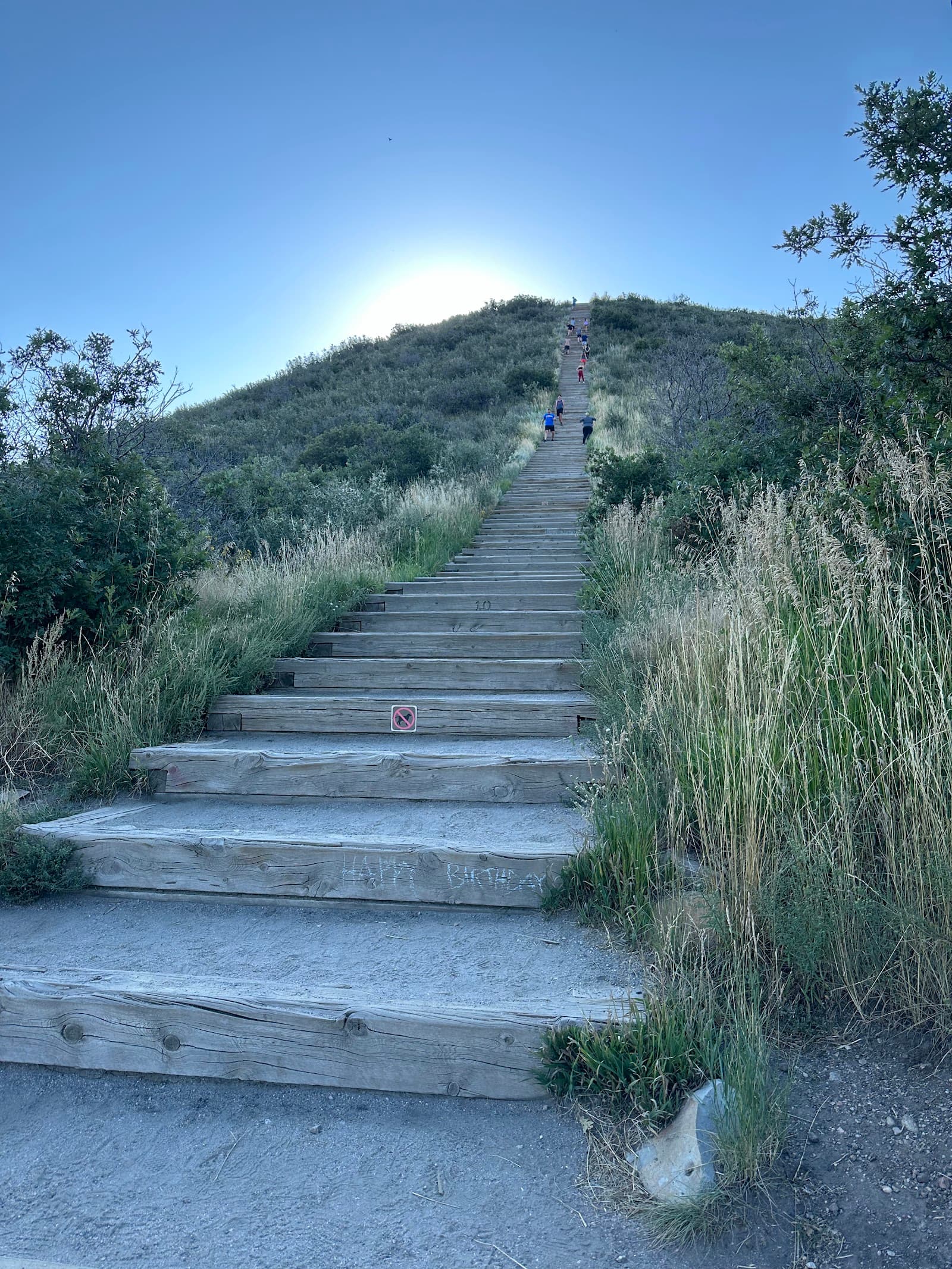
Challenge Hill and Trails at Philip S. Miller Park
Sandbox VR

The Escape Game Lone Tree
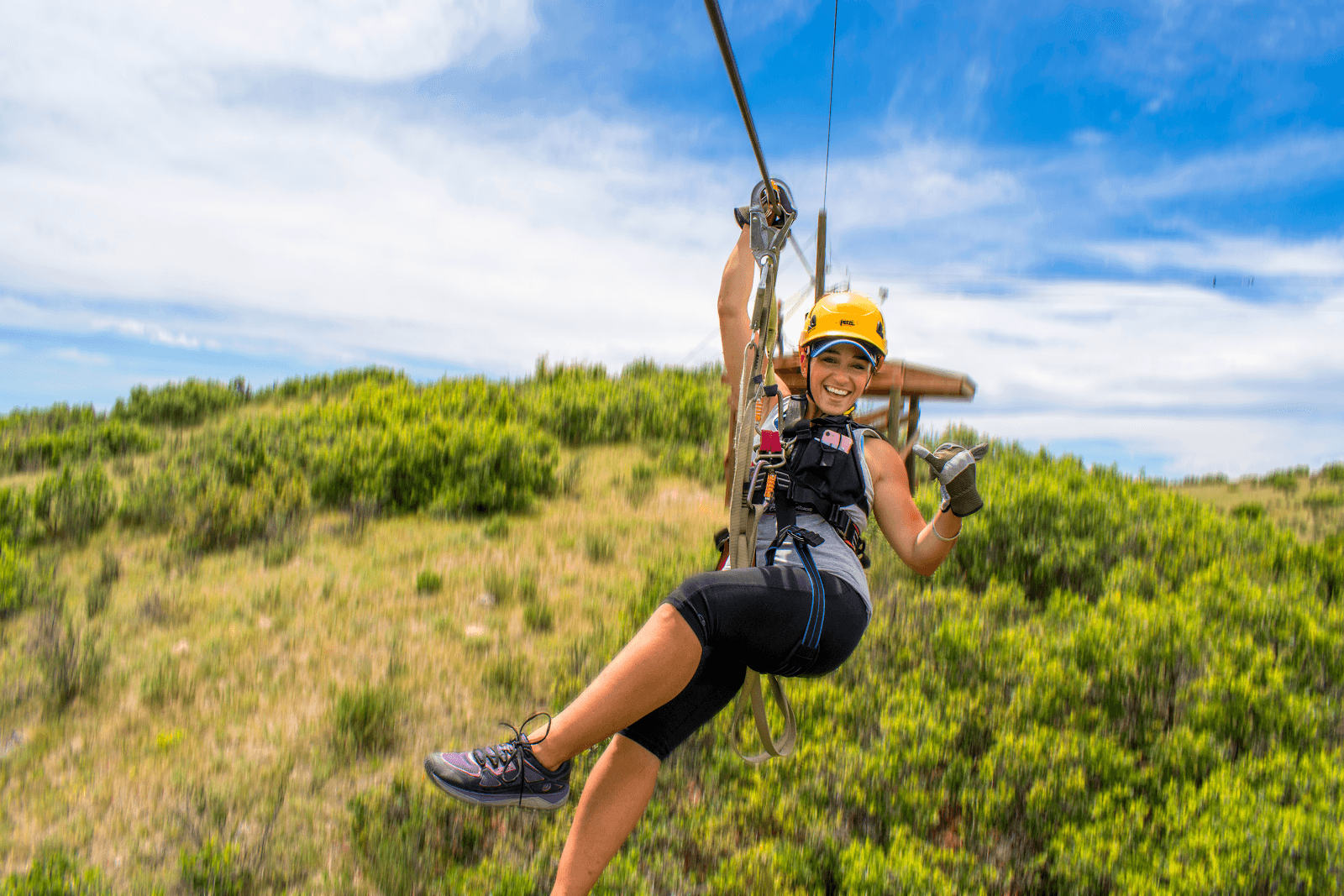
The EDGE Ziplines & Adventures (Formerly Castle Rock Adventure Park)
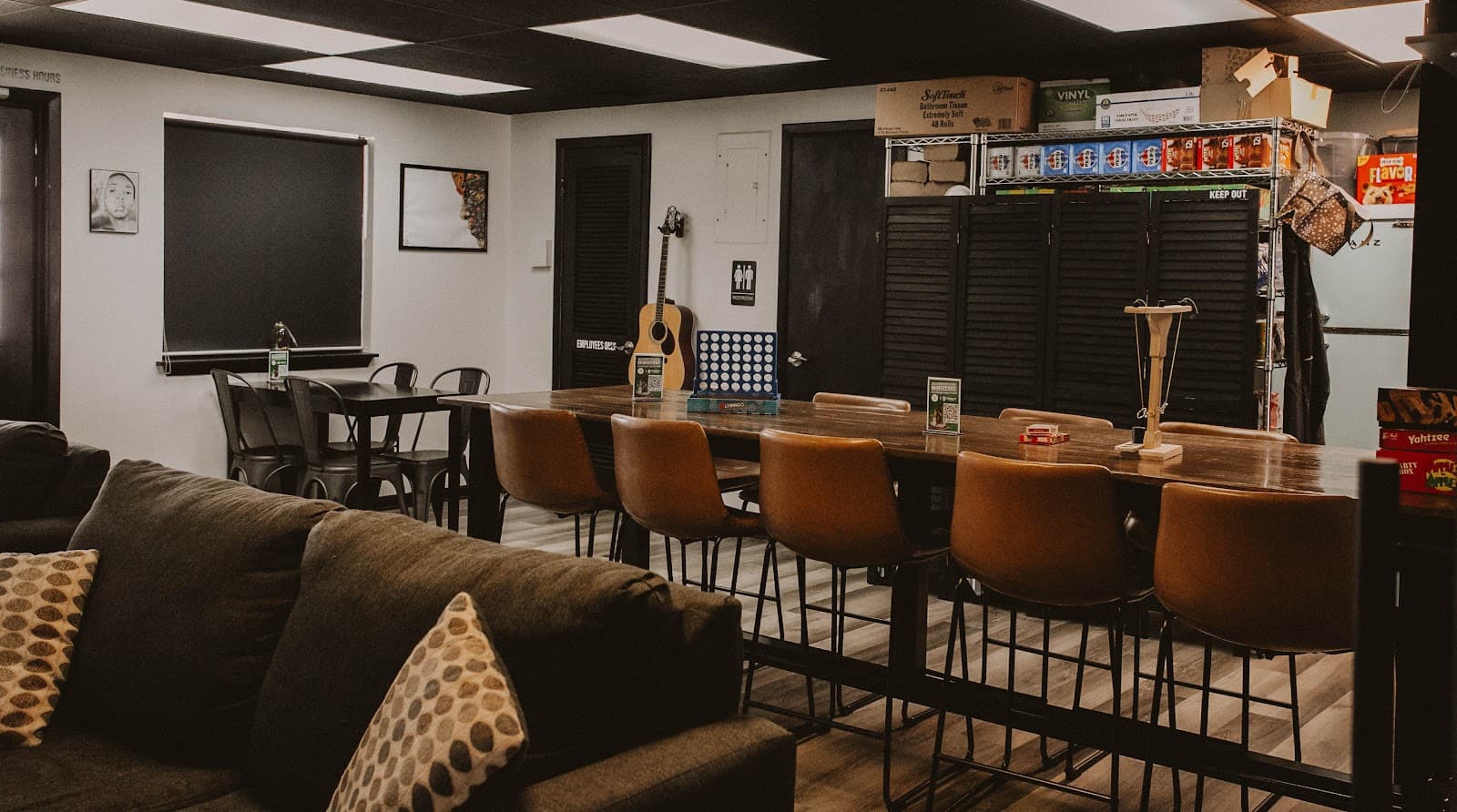
Convict Coffee Company